Showing posts with label Culture 文化传统. Show all posts
Tuesday, January 21, 2020
Monday, November 12, 2018
Laksa
Laksa is a spicy noodle soup popular in Peranakan cuisine. Laksa consists of rice noodles or rice vermicelli with chicken, prawn or fish, served in spicy soup based on either rich and spicy curry coconut milk or on sour asam (tamarind or gelugur). Laksa is found in Malaysia, Singapore, Indonesia, and Southern Thailand.
The type of laksa is based upon the soup base employed in its recipe; either rich and savoury coconut milk, fresh and sour asam (tamarind, gelugur or kokum), or the combination of the two.
There are three basic types of laksa: curry laksa, asam laksa, and other variant that can be identified as either curry or asam laksa.
Curry laksa is a coconut milk curry soup with noodles, while asam laksa is a sour, most often tamarind-based, soup with noodles. Thick rice noodles also known as laksa noodles are most commonly used, although thin rice vermicelli (bee hoon or mee hoon) are also common, and some recipes might create their own rice noodle from scratch. Some variants might use other types of noodles; Johor laksa for example uses spaghetti, while a fusion recipe might use Japanese udon noodle.

Laksa lemak, also known as nyonya laksa (Malay: Laksa nyonya), is a type of laksa with a rich coconut gravy. Lemak is a culinary description in the Malay language which specifically refers to the presence of coconut milk which adds a distinctive richness to a dish. As the name implies, it is made with a rich, slightly sweet and strongly spiced coconut gravy. Laksa lemak is usually made with a fish-based gravy (with vegetarian food stalls omitting fish) and quite similar to Thai laksa (Malay: Laksa Thai), perhaps to the point that one could say they are one and the same.

Asam laksa is a sour, fish and tamarind-based soup. Penang Asam Laksa listed at number 26th on World's 50 most delicious foods compiled by CNN Go in 2011. Asam is the Malay word for any ingredients that makes a dish tastes sour (e.g. tamarind, gelugur or kokum). Laksa typically uses asam keping, known as kokum in the English speaking world, which is a type of dried slices of sour mangosteens.
The modern Malay spelling is asam, though the spelling assam is still frequently used.
The main ingredients for asam laksa include shredded fish, normally kembung (small mackerel of the Rastrelliger genus), and finely sliced vegetables including cucumber, onions, red chillies, pineapple, lettuce, common mint, daun kesum (Vietnamese mint or laksa mint), and pink bunga kantan (torch ginger). Asam laksa is normally served with either thick rice noodles or thin rice noodles (vermicelli). And topped off with petis udang or "hae ko" (蝦膏), a thick sweet prawn/shrimp paste.


Source: Wikipedia and Facebook
The type of laksa is based upon the soup base employed in its recipe; either rich and savoury coconut milk, fresh and sour asam (tamarind, gelugur or kokum), or the combination of the two.
There are three basic types of laksa: curry laksa, asam laksa, and other variant that can be identified as either curry or asam laksa.
Curry laksa is a coconut milk curry soup with noodles, while asam laksa is a sour, most often tamarind-based, soup with noodles. Thick rice noodles also known as laksa noodles are most commonly used, although thin rice vermicelli (bee hoon or mee hoon) are also common, and some recipes might create their own rice noodle from scratch. Some variants might use other types of noodles; Johor laksa for example uses spaghetti, while a fusion recipe might use Japanese udon noodle.

Laksa lemak, also known as nyonya laksa (Malay: Laksa nyonya), is a type of laksa with a rich coconut gravy. Lemak is a culinary description in the Malay language which specifically refers to the presence of coconut milk which adds a distinctive richness to a dish. As the name implies, it is made with a rich, slightly sweet and strongly spiced coconut gravy. Laksa lemak is usually made with a fish-based gravy (with vegetarian food stalls omitting fish) and quite similar to Thai laksa (Malay: Laksa Thai), perhaps to the point that one could say they are one and the same.

Asam laksa is a sour, fish and tamarind-based soup. Penang Asam Laksa listed at number 26th on World's 50 most delicious foods compiled by CNN Go in 2011. Asam is the Malay word for any ingredients that makes a dish tastes sour (e.g. tamarind, gelugur or kokum). Laksa typically uses asam keping, known as kokum in the English speaking world, which is a type of dried slices of sour mangosteens.
The modern Malay spelling is asam, though the spelling assam is still frequently used.
The main ingredients for asam laksa include shredded fish, normally kembung (small mackerel of the Rastrelliger genus), and finely sliced vegetables including cucumber, onions, red chillies, pineapple, lettuce, common mint, daun kesum (Vietnamese mint or laksa mint), and pink bunga kantan (torch ginger). Asam laksa is normally served with either thick rice noodles or thin rice noodles (vermicelli). And topped off with petis udang or "hae ko" (蝦膏), a thick sweet prawn/shrimp paste.


Source: Wikipedia and Facebook
Monday, October 29, 2018
卤面
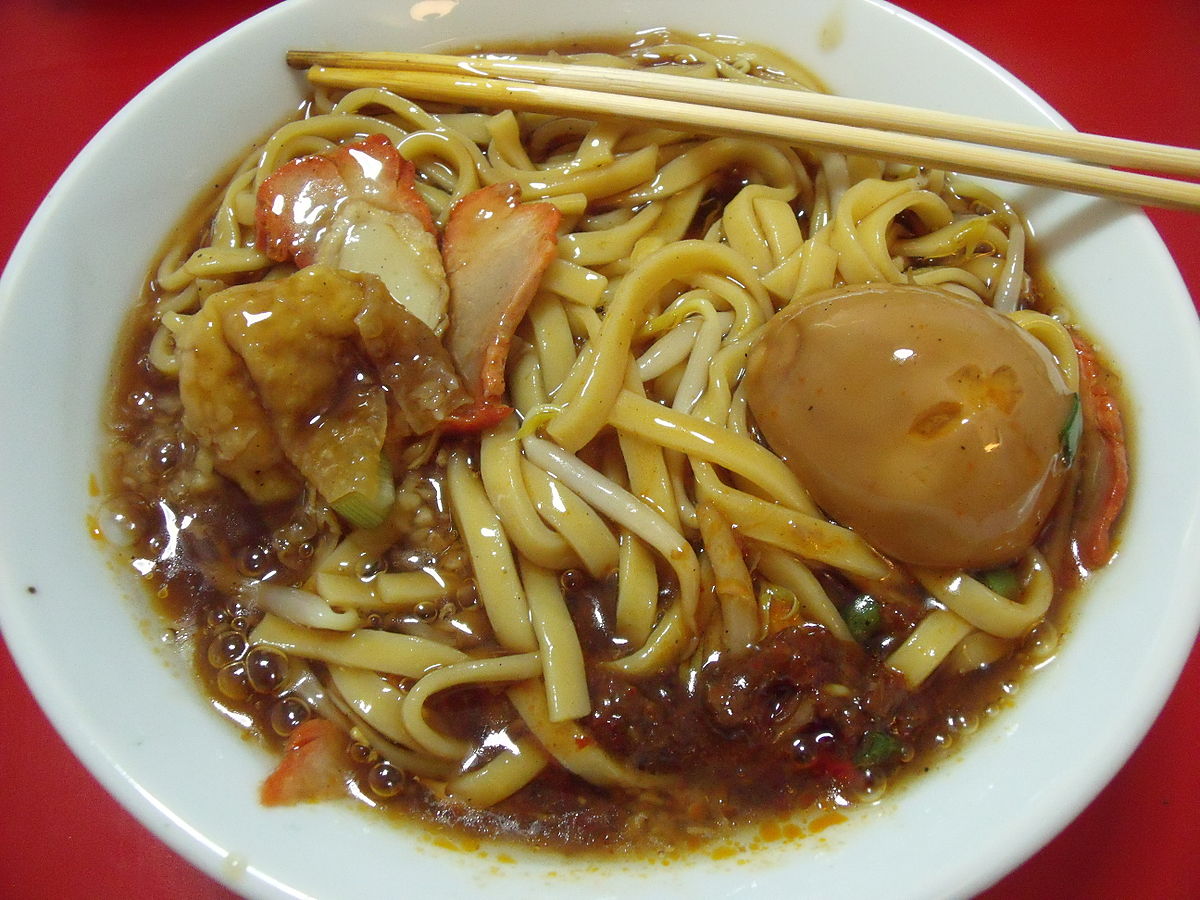
卤面是来源于福建漳州、泉州、兴化及福州一带的面食,与打卤面或淋面相似,先煮好一锅浓稠的卤汤,在顾客点餐后才将黄面烫熟盛进碗内,铺上铺料,淋上卤汤再撒上香菜或油葱酥端上。随着早期福建籍的移民大量移民至马来半岛一带,目前在马来西亚与新加坡福建社区的面食可轻易找到这道面食。

早期是闽南人神诞时作为供馔供奉神明的一道面食。后来社会经济好转,开始在婚礼或其他喜庆中开始食用。在马来西亚的卤面随着煮面方式的不同而分为两派,在以槟城为主的北马地区及新加坡,当地的卤面是依循漳州及福州卤面的做法,先将黄面烫熟之后,在淋上预先做好的卤汤,其中卤汤是以虾汤为底,加入了黑酱油、五香粉等,使得汤汁呈现深褐色,搭配的配料以卤肉片、排骨、卤蛋、香菇、鸡脚等为主,吃的时候会拌入参巴辣椒酱及乌醋,一般贩售福建面(虾面)的店家都会同时贩卖这道面食。
在以吉隆坡为主的中马地区,当地的卤面的煮法与泉州及兴化地区的类似,即面条与汤汁同煮,最后才加入地瓜粉勾芡且打入蛋花。当地的卤面又因为汤汁颜色的深浅可分为黑白两派。
在雪兰莪州的乌鲁音(Ulu Yam)当地的卤面在烹煮的过程中,会在卤汁中加入酱油及乌醋,据说是上世纪20年代,在当地有人在新加坡吃了当地的漳州式卤面后,念念不忘,便依样画葫芦,自创了加入黑酱油及乌醋版本的卤面,有别于吉隆坡与雪兰莪一带的白色卤面,深受当地人欢迎,因此在乌鲁音许多店家也开始推出这道面食,成为当地的代表性美食。
在中马其他地区的卤面则出现在华人的大排档内,将蒜末及比目鱼粉爆香后,加入高汤、面条、蔬菜、猪肉片、海鲜等,加盖将面条焖至熟透,最后勾芡及打入蛋花,加上猪油渣,以浅色的汤汁与食客相见,吃时才依个人的口味,自行加入乌醋调味。
~维基百科~
早期是闽南人神诞时作为供馔供奉神明的一道面食。后来社会经济好转,开始在婚礼或其他喜庆中开始食用。在马来西亚的卤面随着煮面方式的不同而分为两派,在以槟城为主的北马地区及新加坡,当地的卤面是依循漳州及福州卤面的做法,先将黄面烫熟之后,在淋上预先做好的卤汤,其中卤汤是以虾汤为底,加入了黑酱油、五香粉等,使得汤汁呈现深褐色,搭配的配料以卤肉片、排骨、卤蛋、香菇、鸡脚等为主,吃的时候会拌入参巴辣椒酱及乌醋,一般贩售福建面(虾面)的店家都会同时贩卖这道面食。
在以吉隆坡为主的中马地区,当地的卤面的煮法与泉州及兴化地区的类似,即面条与汤汁同煮,最后才加入地瓜粉勾芡且打入蛋花。当地的卤面又因为汤汁颜色的深浅可分为黑白两派。
在雪兰莪州的乌鲁音(Ulu Yam)当地的卤面在烹煮的过程中,会在卤汁中加入酱油及乌醋,据说是上世纪20年代,在当地有人在新加坡吃了当地的漳州式卤面后,念念不忘,便依样画葫芦,自创了加入黑酱油及乌醋版本的卤面,有别于吉隆坡与雪兰莪一带的白色卤面,深受当地人欢迎,因此在乌鲁音许多店家也开始推出这道面食,成为当地的代表性美食。
在中马其他地区的卤面则出现在华人的大排档内,将蒜末及比目鱼粉爆香后,加入高汤、面条、蔬菜、猪肉片、海鲜等,加盖将面条焖至熟透,最后勾芡及打入蛋花,加上猪油渣,以浅色的汤汁与食客相见,吃时才依个人的口味,自行加入乌醋调味。
~维基百科~
Monday, September 24, 2018
Tuesday, September 18, 2018
Asam Pedas
Asam Pedas
Asam Pedas (Indonesian and Malaysian Malay: Asam Pedas, Minangkabau: Asam Padeh, English: Sour and Spicy) is a Minangkabau and Malay sour and spicy fish stew dish. It is popular in Indonesia and Malaysia.

The spicy and sour fish dish is known widely in Sumatra and Malay Peninsula. It is part of the culinary heritage of both Minangkabau and Malay traditions, thus its exact origin is unclear. The Minang asam padeh can be easily found throughout Padang restaurants in Indonesia and Malaysia.
It has become a typical cuisine of Malays from Jambi, Riau, Riau Islands, Malacca, and as far north in Aceh. The spice mixture and the fish used might be slightly different according to the area.
~wikipedia~
Asam Pedas (Indonesian and Malaysian Malay: Asam Pedas, Minangkabau: Asam Padeh, English: Sour and Spicy) is a Minangkabau and Malay sour and spicy fish stew dish. It is popular in Indonesia and Malaysia.

The spicy and sour fish dish is known widely in Sumatra and Malay Peninsula. It is part of the culinary heritage of both Minangkabau and Malay traditions, thus its exact origin is unclear. The Minang asam padeh can be easily found throughout Padang restaurants in Indonesia and Malaysia.
It has become a typical cuisine of Malays from Jambi, Riau, Riau Islands, Malacca, and as far north in Aceh. The spice mixture and the fish used might be slightly different according to the area.
~wikipedia~
Sunday, September 9, 2018
丰盛港特色小吃—— Nasi Dagang,你有吃过吗?
Monday, August 27, 2018
Teh Tarik
Enjoy a good start of the day with a cuppa of our national drink, Teh Tarik which literally means 'pulled tea'. It is a hot Indian milk tea beverage.
Its name is derived from the pouring process of "pulling" the drink during preparation. It is made from black tea, condensed milk and evaporated milk.
In Malaysia, there are occasions where teh tarik brewers gather for competitions and performances to show their ability to drag a long stream of tea. ✌
~Tourism Malaysia FB~
Wednesday, July 18, 2018
马来料理 Malay Cuisine
马来料理 Malay Cuisine
椰浆饭Nasi Lemak
罗惹Rojak
沙嗲Satay
亚参叻沙Asam Laksa
叻沙Laksa
西米糕Ambuyat
马来烤鸡Ayam Bakar
马来炸鸡Ayam Goreng
亚参鱼Asam Pedas
马来烤鱼Ikan Bakar
马来粽Ketupat
竹筒饭Lemang
仁当Rendang
搭冈饭Nasi Dagang
马来炒饭Nasi Goreng
马来炒面Mee Goreng
爪哇面Mee Rebus
乌兰Ulam
亚杂Acar
马来鱼饼Kerepok
椰浆饭Nasi Lemak
罗惹Rojak
沙嗲Satay
亚参叻沙Asam Laksa
叻沙Laksa
西米糕Ambuyat
马来烤鸡Ayam Bakar
马来炸鸡Ayam Goreng
亚参鱼Asam Pedas
马来烤鱼Ikan Bakar
马来粽Ketupat
竹筒饭Lemang
仁当Rendang
搭冈饭Nasi Dagang
马来炒饭Nasi Goreng
马来炒面Mee Goreng
爪哇面Mee Rebus
乌兰Ulam
亚杂Acar
马来鱼饼Kerepok
Saturday, April 21, 2018
Friday, February 16, 2018
Wednesday, October 18, 2017
Monday, September 11, 2017
推介丰盛港海港中心 王室与民近距离交流
推介丰盛港海港中心 王室与民近距离交流
苏丹依布拉欣(前排右2)为丰盛港海港中心签名推介,前排右为柔佛王后拉惹查丽苏菲雅。
丰盛港海港中心周日获苏丹依布拉欣亲临推介,该中心设有50个商业单位,售卖手工艺品及土产。
柔佛王室成员昨日驾驶摩根三轮车,风尘仆仆抵达丰盛港海港中心(Mersing Harbour Centre),与民众近距离交流。
苏丹依布拉欣抵达后,亲自为该中心主持签名推介,陛下及柔佛王后拉惹查丽苏菲雅进入巡视中心,与商家民众交流,谈笑风生。
陪同者包括柔佛王储东姑依斯迈、公主东姑阿米娜与荷兰籍夫婿丹尼斯莫哈末、二王子天猛公东姑依德利斯、四王子东姑阿都拉曼及五王子东姑阿布峇卡。
苏丹依布拉欣(右2)试吃民众准备的小吃。
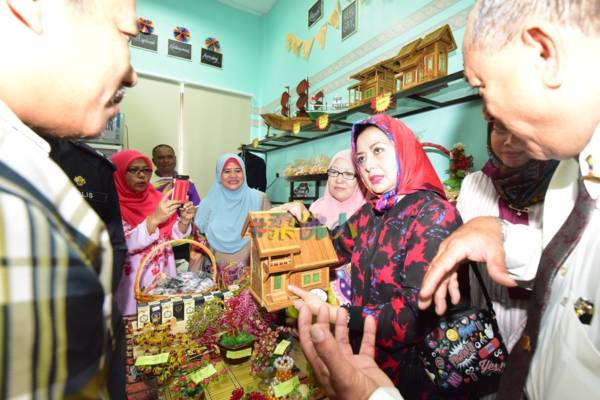
柔佛王后拉惹查丽苏菲雅(右2),向民众了解手工艺品制作。
丰盛港海港中心位于市区码头附近,旨在推动丰盛港的经济和旅游发展,由东海岸经济特区发展理事会(ECERDC)规划。中心内的50个商业单位,售卖各种手工艺品和旅游相关产品如船票和旅游配套等。
丰盛港县长阿斯哈里在仪式上致词时说,游客从丰盛港前往海岛的游客,如今多了一个选择,可在丰盛港海港中心内暂时休息或购买土产。
活动出席者包括柔佛州务大臣拿督斯里莫哈末卡立诺丁。
苏丹依布拉欣(右2)巡视其中一间蛋糕店,欣赏商家精心制作的柔佛王冠造型蛋糕。
东姑阿都拉曼(坐者左)驾驶摩根三轮车,载着兄长东姑依德利斯巡游。
公主夫婿丹尼斯莫哈末(坐者左)驾驶摩根三轮车,载着公主东姑阿米娜,到访丰盛港。
~转自中国报~
苏丹依布拉欣(前排右2)为丰盛港海港中心签名推介,前排右为柔佛王后拉惹查丽苏菲雅。
丰盛港海港中心周日获苏丹依布拉欣亲临推介,该中心设有50个商业单位,售卖手工艺品及土产。
柔佛王室成员昨日驾驶摩根三轮车,风尘仆仆抵达丰盛港海港中心(Mersing Harbour Centre),与民众近距离交流。
苏丹依布拉欣抵达后,亲自为该中心主持签名推介,陛下及柔佛王后拉惹查丽苏菲雅进入巡视中心,与商家民众交流,谈笑风生。
陪同者包括柔佛王储东姑依斯迈、公主东姑阿米娜与荷兰籍夫婿丹尼斯莫哈末、二王子天猛公东姑依德利斯、四王子东姑阿都拉曼及五王子东姑阿布峇卡。
苏丹依布拉欣(右2)试吃民众准备的小吃。
柔佛王后拉惹查丽苏菲雅(右2),向民众了解手工艺品制作。
丰盛港海港中心位于市区码头附近,旨在推动丰盛港的经济和旅游发展,由东海岸经济特区发展理事会(ECERDC)规划。中心内的50个商业单位,售卖各种手工艺品和旅游相关产品如船票和旅游配套等。
丰盛港县长阿斯哈里在仪式上致词时说,游客从丰盛港前往海岛的游客,如今多了一个选择,可在丰盛港海港中心内暂时休息或购买土产。
活动出席者包括柔佛州务大臣拿督斯里莫哈末卡立诺丁。
苏丹依布拉欣(右2)巡视其中一间蛋糕店,欣赏商家精心制作的柔佛王冠造型蛋糕。
东姑阿都拉曼(坐者左)驾驶摩根三轮车,载着兄长东姑依德利斯巡游。
公主夫婿丹尼斯莫哈末(坐者左)驾驶摩根三轮车,载着公主东姑阿米娜,到访丰盛港。
~转自中国报~
Thursday, August 31, 2017
Sunday, June 25, 2017
Thursday, July 7, 2016
Sunday, February 7, 2016
Tuesday, November 10, 2015
Sunday, September 27, 2015
Thursday, July 30, 2015
柔情咖啡香‧中午嘆咖啡吃麵包
柔情咖啡香‧中午嘆咖啡吃麵包 体谅大伙缩短营业时间

老板一杯接一杯,双手不停冲泡咖啡奶茶,只能边工作边接受记者採访。
一百家最具风味传统咖啡茶餐店(2)
这家“Kopitiam”早上不开门,中午才送上浓浓的咖啡鸟,还有温胃的烤麵包!
半世纪来,丰盛港的茗芳园渐渐蜕变,从亚答屋渐变成钢骨水泥建筑。
过去从早上6时到晚上11时,茗芳园都为街坊送上茶点,是当地人高谈阔论的好去处。
可现在,烤麵包、生熟蛋和咖啡,这三样极具南洋风味的经典早餐,如今竟只从中午12时才开门售卖,不禁令食客纳闷!
业者叶必溪(53岁)向《中国报》说,原来长期站久递送茶水食物和点餐,大伙儿的脚痛腿痠,尤其哥哥年纪大了,更无法站太久,所以约两年前便把营业时间改为中午12时至傍晚6时。
兄弟3人一起打理
必溪是第二代传人,目前他和两位哥哥必湖、必和(原名必河)一起打理咖啡店,3人另有一大哥叫必海。
由于四兄弟的名字排列起来是海、湖、河、溪,竟也成为地方上的佳话。
必溪说,70年代时,咖啡店还是自己炒咖啡豆,可是弄得满店烟燻,后来便直接向咖啡商进口咖啡粉。
茗芳园是地方上老字號,更是具代性的咖啡店,由于店里也售卖马来糕点、椰浆饭等,因此也吸引友族顾客光顾。
下午茶时段,咖啡里最忙碌,老板冲泡咖啡的手,几乎是没有停过。
TV2综艺节目《东南亚北三人行》也慕名来拍摄介绍。
金漆招牌
习惯叫Kopi德
到丰盛港,你说茗芳园,当地老一辈居民可能会愣了一下,眼珠子溜了溜,才恍然大悟般替你指路,但你说“Kopi德”(德唸tak),他们就立即懂你问的是哪家咖啡店。
东主叶必溪说,父亲叶世杰过世得早,咖啡店早期交由亲戚阿德帮忙打理,阿德甚至在店里协助炒咖啡粉,因此,街坊习惯唤茗芳园作“Kopi德”。
至于“茗芳”招牌从何而来,叶必溪就不晓得,但相信早期的人习惯以“茗芳”为茶室、茶庄和咖啡店命名,因而有此招牌。
吃椰浆饭和米暹要乘早
不吃走宝
保留老咖啡店特色,这里也可看见三大种族同桌的情景,因为店里有售卖巫裔的椰浆饭和米暹,若配搭一杯咖啡乌、茶稀(Teh C)或咖啡冰,都是一大享受。
记者採访当天,刚巧星期日,而且还適逢斋戒月,但下午3时许,就已剩一包椰浆饭和米暹,隔壁桌见顾客见记者拍照后,也不介意被“开过包”,就直接討了拿去吃,可见小小一包,真的叫人垂涎三尺。
镇店之宝
咖啡配烤麵包
来到茗芳园“Kopitiam”,当然不能错过咖啡和烤麵包。
店里现在冲泡使用的咖啡粉,可是居鑾著名的电视机品牌,加上老板叶必溪的多年冲泡经验,泡出的咖啡顺滑香浓,一口啜饮,没有苦涩味。
烤麵包使用传统炭烤,自製咖椰,再夹上薄片牛油,一口咬下,外脆內香,口腔都是浓郁的椰香和牛油香。
忠实顾客
真材实料
炼奶供应商温增麒说,老板捨得用上等生奶(炼奶),所以冲泡出来的奶茶、咖啡特別顺滑,多数的咖啡店为省成本,选用中等级的生奶。
他说,茗芳园的茶水,半世纪来令人回味无穷,靠的就是真材实料。
另外,48岁的毛春莲(书记)可说从小就光顾茗芳,如今依旧是常客,下午便到咖啡店与朋友聊天。
她说,传统炭烤方式,让“Kopi德”的烤麵包特別好吃,来到丰盛港喝下午茶,首选茗芳园。
店名:茗芳园
地址:3, Jalan Jamaluang, 86800 Mersing, Johor.
开业年份:50年代初
营业时间:中午12时至傍晚6时(休息日不定)
~中国报~
老板一杯接一杯,双手不停冲泡咖啡奶茶,只能边工作边接受记者採访。
一百家最具风味传统咖啡茶餐店(2)
这家“Kopitiam”早上不开门,中午才送上浓浓的咖啡鸟,还有温胃的烤麵包!
半世纪来,丰盛港的茗芳园渐渐蜕变,从亚答屋渐变成钢骨水泥建筑。
过去从早上6时到晚上11时,茗芳园都为街坊送上茶点,是当地人高谈阔论的好去处。
可现在,烤麵包、生熟蛋和咖啡,这三样极具南洋风味的经典早餐,如今竟只从中午12时才开门售卖,不禁令食客纳闷!
业者叶必溪(53岁)向《中国报》说,原来长期站久递送茶水食物和点餐,大伙儿的脚痛腿痠,尤其哥哥年纪大了,更无法站太久,所以约两年前便把营业时间改为中午12时至傍晚6时。
兄弟3人一起打理
必溪是第二代传人,目前他和两位哥哥必湖、必和(原名必河)一起打理咖啡店,3人另有一大哥叫必海。
由于四兄弟的名字排列起来是海、湖、河、溪,竟也成为地方上的佳话。
必溪说,70年代时,咖啡店还是自己炒咖啡豆,可是弄得满店烟燻,后来便直接向咖啡商进口咖啡粉。
茗芳园是地方上老字號,更是具代性的咖啡店,由于店里也售卖马来糕点、椰浆饭等,因此也吸引友族顾客光顾。
下午茶时段,咖啡里最忙碌,老板冲泡咖啡的手,几乎是没有停过。
TV2综艺节目《东南亚北三人行》也慕名来拍摄介绍。
金漆招牌
习惯叫Kopi德
到丰盛港,你说茗芳园,当地老一辈居民可能会愣了一下,眼珠子溜了溜,才恍然大悟般替你指路,但你说“Kopi德”(德唸tak),他们就立即懂你问的是哪家咖啡店。
东主叶必溪说,父亲叶世杰过世得早,咖啡店早期交由亲戚阿德帮忙打理,阿德甚至在店里协助炒咖啡粉,因此,街坊习惯唤茗芳园作“Kopi德”。
至于“茗芳”招牌从何而来,叶必溪就不晓得,但相信早期的人习惯以“茗芳”为茶室、茶庄和咖啡店命名,因而有此招牌。
吃椰浆饭和米暹要乘早
不吃走宝
保留老咖啡店特色,这里也可看见三大种族同桌的情景,因为店里有售卖巫裔的椰浆饭和米暹,若配搭一杯咖啡乌、茶稀(Teh C)或咖啡冰,都是一大享受。
记者採访当天,刚巧星期日,而且还適逢斋戒月,但下午3时许,就已剩一包椰浆饭和米暹,隔壁桌见顾客见记者拍照后,也不介意被“开过包”,就直接討了拿去吃,可见小小一包,真的叫人垂涎三尺。
镇店之宝
咖啡配烤麵包
来到茗芳园“Kopitiam”,当然不能错过咖啡和烤麵包。
店里现在冲泡使用的咖啡粉,可是居鑾著名的电视机品牌,加上老板叶必溪的多年冲泡经验,泡出的咖啡顺滑香浓,一口啜饮,没有苦涩味。
烤麵包使用传统炭烤,自製咖椰,再夹上薄片牛油,一口咬下,外脆內香,口腔都是浓郁的椰香和牛油香。
忠实顾客
真材实料
炼奶供应商温增麒说,老板捨得用上等生奶(炼奶),所以冲泡出来的奶茶、咖啡特別顺滑,多数的咖啡店为省成本,选用中等级的生奶。
他说,茗芳园的茶水,半世纪来令人回味无穷,靠的就是真材实料。
另外,48岁的毛春莲(书记)可说从小就光顾茗芳,如今依旧是常客,下午便到咖啡店与朋友聊天。
她说,传统炭烤方式,让“Kopi德”的烤麵包特別好吃,来到丰盛港喝下午茶,首选茗芳园。
店名:茗芳园
地址:3, Jalan Jamaluang, 86800 Mersing, Johor.
开业年份:50年代初
营业时间:中午12时至傍晚6时(休息日不定)
~中国报~
Subscribe to:
Posts (Atom)